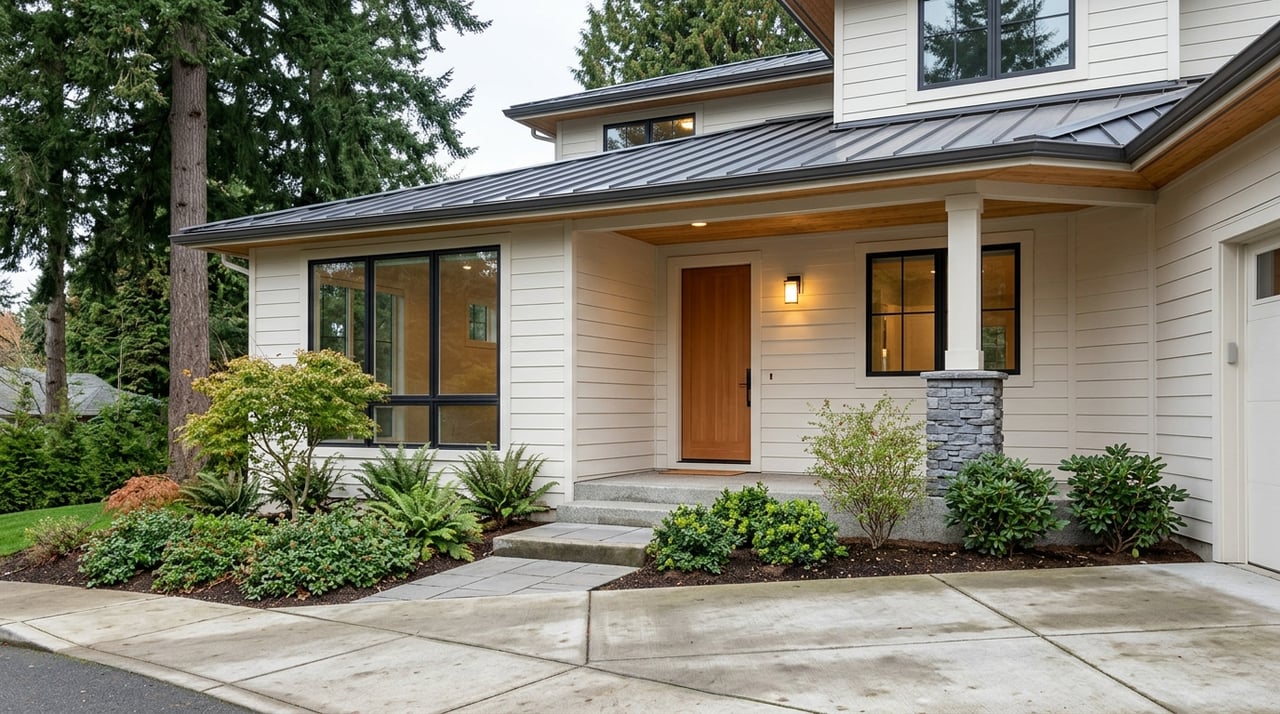
Shoreline vs Edmonds Homes: Choosing the Right Fit
June 11, 2026
June 11, 2026
Trying to choose between Shoreline and Edmonds? You are not alone. Both cities offer access to Seattle, appealing housing options, and plenty of Pacific Northwest charm, but they live a little differently day to day. If you are weighing commute, budget, neighborhood feel, and long-term fit, this guide will help you compare the two with more clarity. Let’s dive in.
Shoreline and Edmonds sit north of Seattle, but they appeal to buyers for different reasons. Shoreline is about 10 miles from downtown Seattle and is shaped by residential neighborhoods, transit access, and planned growth around key station areas. Edmonds is about 15 miles north of Seattle and is known for its waterfront setting, established identity, and compact downtown feel.
In simple terms, Shoreline often fits buyers who want practical access and a somewhat lower entry point. Edmonds often fits buyers who are drawn to waterfront character, a stronger downtown core, and a more premium market. Neither is better across the board. The right choice depends on how you want to live.
For many buyers, price is the first major filter. As of April 2026, Redfin data shows a median sale price of $769,603 in Shoreline and $1,049,458 in Edmonds. That puts Edmonds roughly $280,000 higher.
Price per square foot also reflects that gap. Edmonds came in at $596 per square foot, compared with $530 in Shoreline. Both markets were moving quickly, but Edmonds carried the higher premium.
If you are trying to balance budget with location, Shoreline may give you more room to work with. If you are comfortable shopping in a higher price range and want a more waterfront-oriented setting, Edmonds may feel worth the step up.
Housing mix matters just as much as pricing. Shoreline describes itself as primarily residential, with more than 70% of households in single-family residences. At the same time, the city is planning for more housing variety and more growth around transit areas.
That means Shoreline may appeal if you want a neighborhood with a familiar residential feel today, but also want to be near places likely to see new housing, retail, and walkability improvements over time. This can be especially important if you are thinking about long-term flexibility or future resale appeal.
Edmonds has also opened the door to more housing options. Its 2025 middle-housing ordinance replaced the old single-family residential zone with Low-Density Residential zones that still allow detached homes, while also permitting duplexes, triplexes, fourplexes, cottage homes, and courtyard apartments.
For buyers, that can create more variety in what comes to market over time. If you like Edmonds but assumed it was mostly detached homes at a premium price, this zoning shift is worth paying attention to.
If commute flexibility is high on your list, this is one of the biggest differences between the two cities. Shoreline has a strong transit story centered on Link light rail. Community Transit notes that Shoreline North/185th connects to Link service serving Seattle, Sea-Tac Airport, Bellevue, and Redmond, and Shoreline also has Swift Blue and RapidRide E service. Sound Transit lists both Shoreline North/185th and Shoreline South/148th on the Link network.
That makes Shoreline a practical choice if you want broader one-car or no-car flexibility. Whether you commute regularly or just want options for trips across the region, that rail connection is a major advantage.
Edmonds offers a different kind of access. Sound Transit lists Edmonds Station with the N Line, Amtrak Cascades, and Community Transit routes 102, 130, 166, and 909. The Edmonds/Kingston ferry route also adds a unique layer of regional connection.
If your routine or lifestyle benefits from commuter rail and ferry access, Edmonds may stand out. It may be especially appealing if you value the waterfront setting as part of your day-to-day experience, not just your travel options.
The biggest lifestyle difference often comes down to how each city feels when you are not commuting. Shoreline has more than 400 acres of park land and open space, including saltwater shoreline, beach access, hiking trails, and the interurban trail. Richmond Beach Saltwater Park adds open water access and a view terrace.
That gives Shoreline a strong outdoor foundation, but its activity centers are more spread out. Its commercial and civic energy is shaped more by corridors and growth nodes, including Aurora Avenue and station-area development, than by a single dominant downtown.
Edmonds feels more centered. The city has 47 park and open space sites, with 230 acres plus 362 partnership acres, along with waterfront destinations such as Marina Beach, Olympic Beach and the Edmonds Fishing Pier, and Brackett’s Landing. The city also highlights four beaches and waterfront parks plus a compact, walkable downtown.
Edmonds also has a Creative District that brings together arts, culture, creative businesses, public gathering venues, parks, and historic structures. If you want a city with a clear downtown identity and a more concentrated small-city feel, Edmonds may be the better fit.
When buyers feel stuck between Shoreline and Edmonds, it usually helps to get very specific about priorities. Start with the parts of daily life that will matter most six months after move-in, not just the features that stand out on a weekend tour.
Shoreline often makes sense for buyers who want convenience and value without giving up access to outdoor space. It can also appeal to buyers who want to be in a city that is actively evolving around transit and future growth areas.
Edmonds often makes sense for buyers who are shopping for lifestyle as much as location. If being close to the waterfront and a defined downtown matters to you, Edmonds offers a setting that feels more immediately shaped and cohesive.
Before you decide, it helps to pressure-test your goals with a few honest questions.
If budget range is important, Shoreline may give you more options based on the current median sale price gap. That does not mean every Shoreline home is affordable or every Edmonds home is expensive, but the broader market trend is clear.
If direct Link access is central to your commute or travel routine, Shoreline has the edge. This can be a major factor if you work in Seattle, Bellevue, Redmond, or travel through Sea-Tac often.
Some buyers want a walkable downtown with a clear center. Others are comfortable with a city that is more spread out but improving around key corridors and station areas. Edmonds leans more toward the first option, while Shoreline leans more toward the second.
Both cities offer outdoor access, but Edmonds has a more concentrated waterfront identity. Shoreline offers shoreline access and parks too, but its overall feel is less centered on a single waterfront district.
The right answer is not just about market stats. It is about the kind of routine, setting, and flexibility that will support your life once the move is over.
If you want stronger light rail access, a somewhat lower median price, and a city shaped by residential neighborhoods and future transit growth, Shoreline may be the smarter fit. If you want a waterfront setting, a stronger downtown identity, and are comfortable in a higher-priced market, Edmonds may be the better match.
A good neighborhood decision should feel practical and personal at the same time. If you want help comparing homes, commute patterns, and neighborhood options in Shoreline or Edmonds, Bruce Overstreet can help you sort through the details with a calm, local perspective.
Stay up to date on the latest real estate trends.
Get assistance in determining current property value, crafting a competitive offer, writing and negotiating a contract, and much more. Contact Bruce today to discuss all your real estate needs!