Considering Marysville? What Daily Life Looks Like Here
July 16, 2026
July 16, 2026
Thinking about a move to Marysville? The biggest question usually is not just what homes cost, but what your day-to-day life would actually feel like once you live there. If you want a clearer picture of commutes, errands, outdoor time, and the kinds of homes you are likely to find, Marysville offers a practical mix of suburban space and regional access. Here’s what daily life in Marysville looks like and how to tell if it fits the way you want to live.
Marysville is a growing city in North Snohomish County with an estimated population of 77,686 spread across 20.75 square miles. The city has a 69.4% owner-occupied housing rate, which points to a community where many residents put down roots rather than treat the area as a short-term stop.
It also reads as a place with a suburban rhythm. Homes tend to be larger, daily routines often involve driving, and many people commute to jobs outside the city. At the same time, Marysville is still evolving through focused growth in areas like Downtown Marysville, Central Marysville, Lakewood, Smokey Point, and Sunnyside/Whiskey Ridge.
For many residents, Marysville works best if you expect a regional commute. Census QuickFacts reports a mean commute time of 31.5 minutes for workers age 16 and older, which gives you a useful baseline for everyday planning.
The city’s Economic Development Element shows how commuting really plays out. About 77% of residents drive alone to work, 11% carpool or vanpool, and many of the most common destinations are Everett, Seattle, Arlington, Bellevue, and Lynnwood.
That pattern tells you something important about daily life here. Marysville is not a place where most people live, work, and run every errand within a few blocks. It is more often a home base with access to larger employment centers across the region.
Transit is available, but it tends to work best for commute-focused trips rather than a fully car-free lifestyle. WSDOT lists several Marysville park-and-rides, including Ash Avenue, Cedar & Grove, Marysville I, and Marysville II.
Community Transit service updates show Route 904 connecting Marysville park-and-rides to Lynnwood City Center Station, with Seattle-bound trips tied into the Link 1 Line. If you prefer to avoid driving all the way into larger job centers, that setup can be a practical option.
Still, most daily movement in Marysville remains car-based. If you are comparing it to a denser urban setting, the difference is pretty clear.
Even in a city where driving is central, local mobility is improving. Marysville has current projects that include a planned six-mile Ebey Waterfront Trail network, a 4.7-mile Bayview Trail Connector to Lake Stevens, and a multi-use path connection on 53rd Ave NE linking Jennings Park trails to the Ebey Waterfront trail system.
That does not suddenly make Marysville a walk-everywhere city. What it does mean is that getting outside on foot or by bike is becoming easier and more connected, especially for recreation and shorter local outings.
If you like the idea of suburban space with gradually improving trail access, this is a meaningful part of the city’s direction.
One of Marysville’s strongest lifestyle features is its park system. The city reports 45 parklands, 24 miles of trails, 522 acres of parkland, and 38,000 square feet of facility space.
That is a lot of outdoor infrastructure for a suburban city. It means parks are not just an occasional bonus. They are a regular part of how many residents spend weekends, afternoons, and summer evenings.
Jennings Memorial Park and Jennings Nature Park stand out as major local destinations. The city describes them as a combined area with trails, picnic areas, ball fields, and loop walks, which makes them useful for everything from a quick walk to a longer family outing.
Ebey Waterfront Park adds a different kind of outdoor experience with access to the Snohomish River Delta. If you want close-to-home nature and a waterfront setting without heading far outside town, this is one of Marysville’s more distinctive amenities.
Comeford Spray Park adds a seasonal downtown draw in warmer months. It is the kind of amenity that can make summer routines easier if you want a simple local outing.
Marysville’s civic life is not limited to parks. The Marysville branch of Sno-Isle Libraries functions as a community space with meeting rooms and workshops, and the Marysville Opera House adds another public gathering place through classes, performances, and events.
The city also hosts recurring activities like concerts, movie series, park cleanups, the Kiwanis Fishing Derby, the Easter Egg Hunt, and seasonal gatherings. If you want a city where local events help fill the calendar, Marysville has that layer of community life built in.
Marysville’s shopping and dining pattern is shaped by major corridors and retail hubs. The city highlights 88th Street, 116th Street, and State Avenue as key commercial areas, with downtown and the waterfront core serving as a visible gateway near Interstate 5.
In practical terms, this means errands tend to be straightforward. You are more likely to drive between shopping centers and corridor businesses than stroll through a dense urban business district, but the convenience factor is strong.
For everyday needs, several retail areas come up again and again. The city identifies downtown Third Street, Marysville Towne Centre, Lakewood Crossing, and Gateway Shopping Center as major shopping destinations.
Lakewood Crossing is a 475,000-square-foot center with stores like Costco, Target, Best Buy, Petco, and Michaels, along with restaurants including Boston’s, Red Robin, Buffalo Wild Wings, and IHOP. Gateway Shopping Center is anchored by WinCo Foods, Kohl’s, Ross, PetSmart, and Party City.
That mix gives you a good sense of daily convenience. Marysville is set up for routine errands, household shopping, and casual dining without needing to go far for basics.
Another everyday advantage is proximity to larger regional destinations. The city points to Tulalip Casino and Seattle Premium Outlets just off I-5, giving residents quick access to entertainment and outlet shopping nearby.
So while Marysville itself is very practical for everyday needs, your lifestyle radius can easily extend beyond city limits when you want more options.
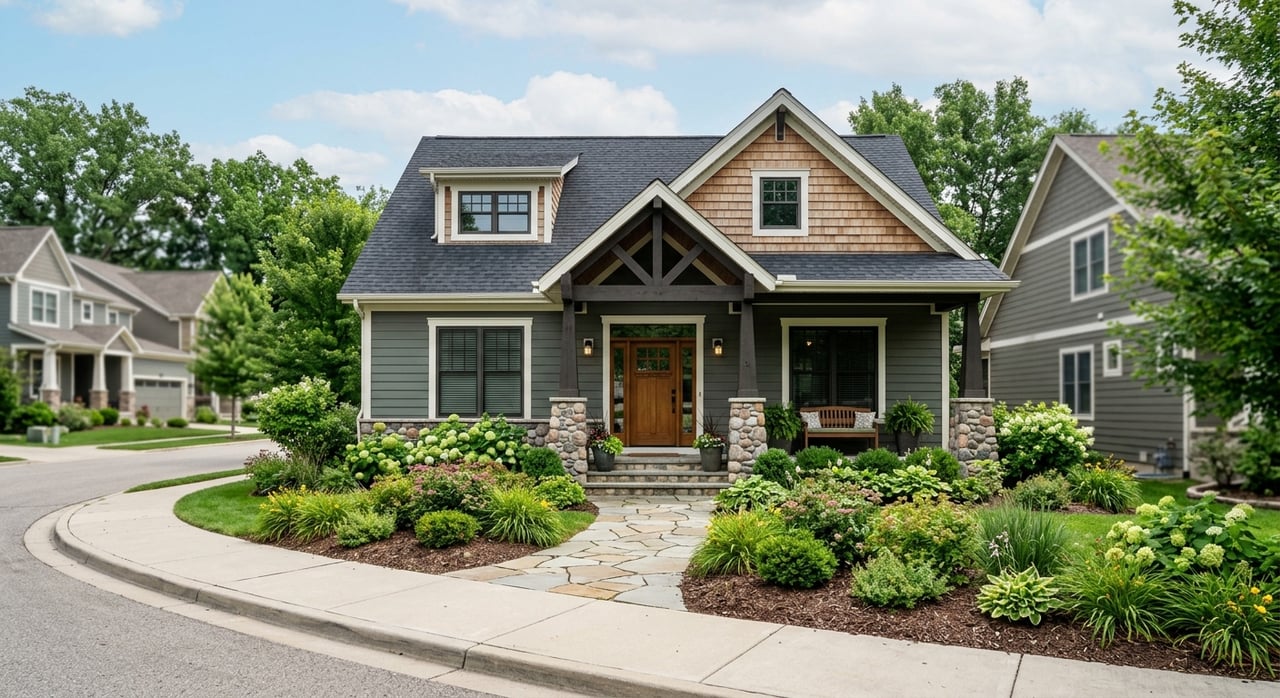
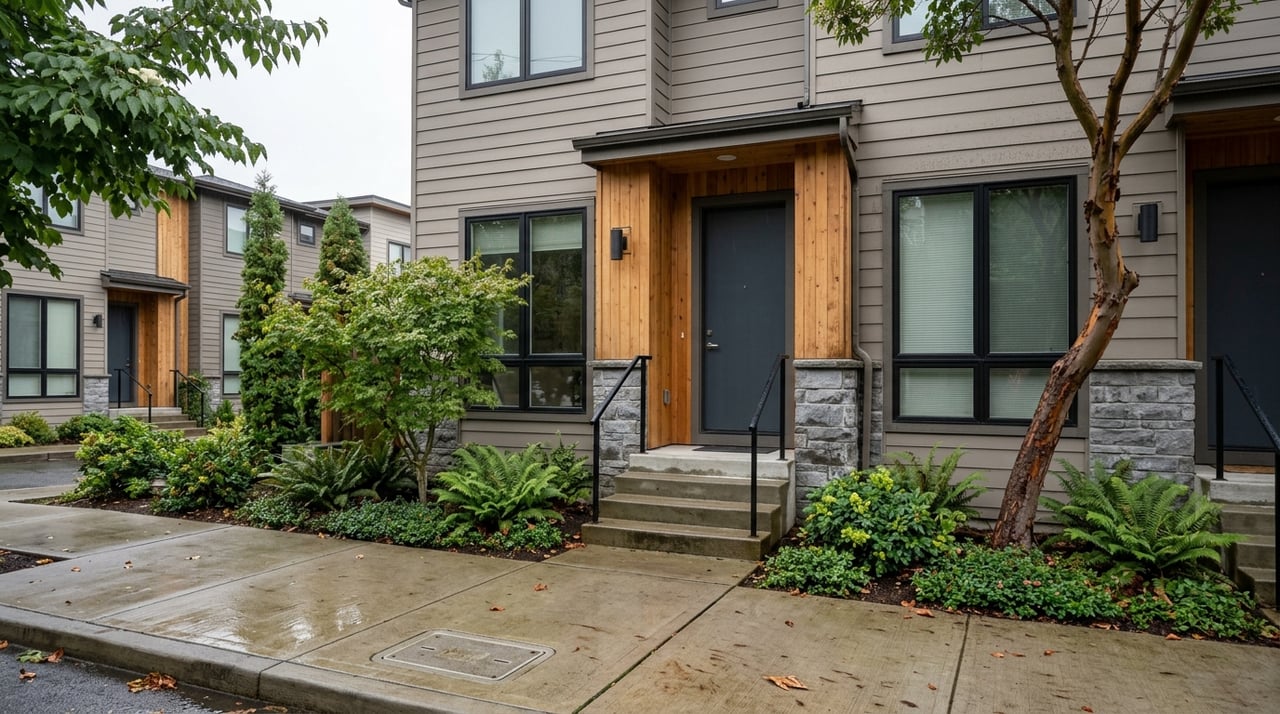
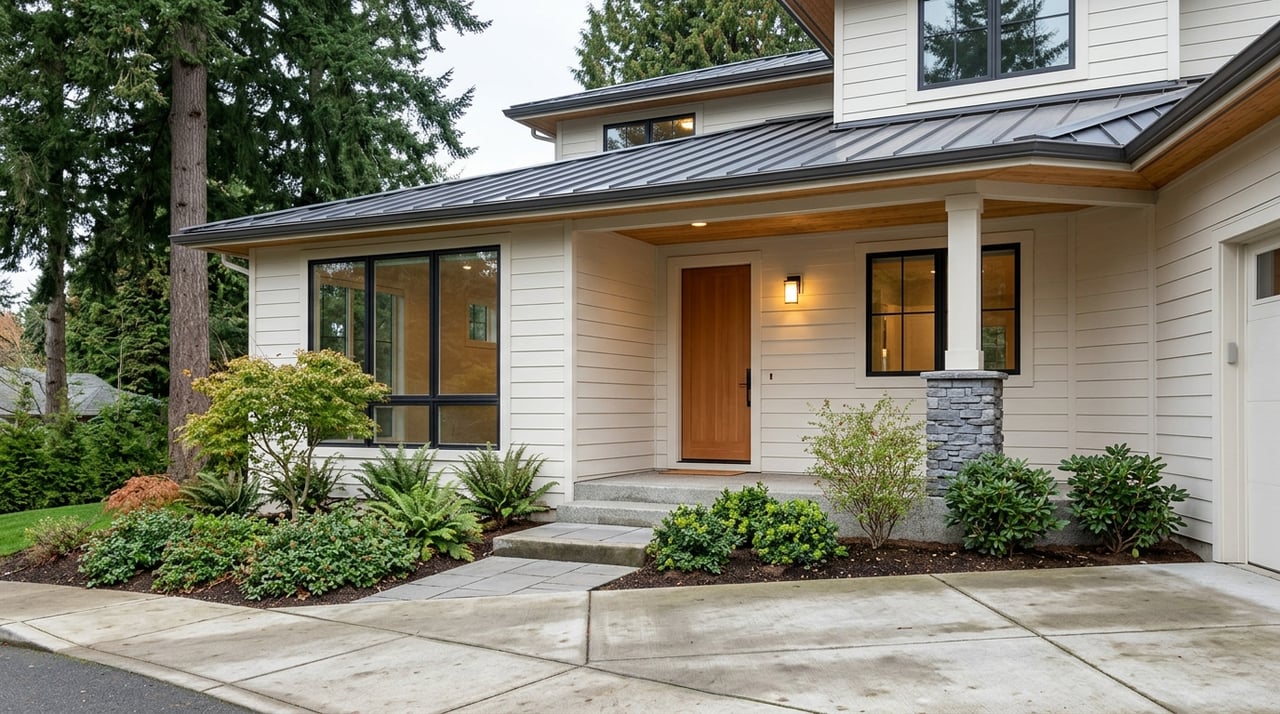
If you picture Marysville as a place with a lot of traditional single-family housing, that picture is accurate. The city’s Housing Needs Assessment says 73% of the housing stock is single-family, compared with 10% single-attached units, 12% units in buildings with five or more homes, and 6% mobile homes.
The same report says 70% of housing units are owner-occupied, and 88% of owner-occupied households live in single-family detached homes. It also notes that 75% of the city’s housing units have three or four bedrooms.
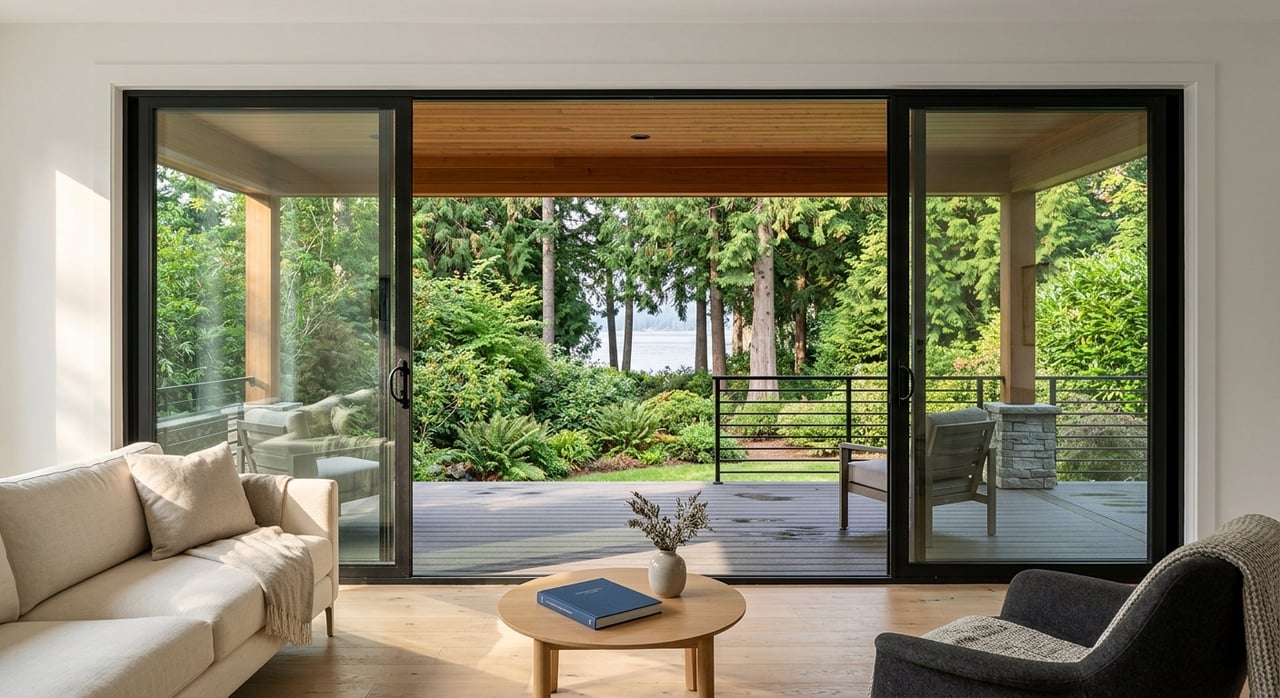
That matters if you are looking for space. Marysville tends to align well with buyers who want more room, a suburban layout, and a housing stock centered on detached homes.
Home values in Marysville depend on the source and timeframe, but the overall pattern is fairly consistent. Census QuickFacts lists a median owner-occupied home value of $567,900.
Current market-oriented sources in the research report show somewhat higher recent figures, with Redfin reporting about a $640K median sale price and Zillow showing a home value index around $634,172. For attached housing, Redfin shows median listing prices around $588K for townhouses and $440K for condos.
The takeaway is not that every home falls neatly into one price band. It is that buyers should generally expect Marysville pricing to land from the high-$500,000s into the low-$600,000s for the broader market, with attached homes often offering a lower entry point.
Marysville tends to make sense if you want a space-oriented suburban lifestyle with access to parks, practical retail, and regional job centers. It is especially worth a closer look if you are comfortable with driving being a regular part of your routine.
You may also like Marysville if you want:
On the other hand, if your ideal lifestyle depends on walking to most errands, relying on transit for nearly everything, or living in a dense urban core, Marysville may feel less aligned with your day-to-day preferences.
In simple terms, daily life in Marysville is practical, suburban, and outdoors-connected. You are likely to spend your week balancing home life, driving to work or a park-and-ride, running errands along major commercial corridors, and taking advantage of parks or trails when you want time outside.
It is not trying to be downtown Seattle, and that is part of the appeal. For many buyers, Marysville offers a more spacious and grounded routine with enough access to the wider region to keep work, shopping, and recreation within reach.
If you are weighing whether Marysville fits your goals, the key question is less about whether the city has everything in one place and more about whether its rhythm matches how you actually want to live.
If you want help comparing Marysville with nearby Snohomish County communities, or narrowing down the right home type and price point, Bruce Overstreet can help you make a clear, informed move.
Stay up to date on the latest real estate trends.
Get assistance in determining current property value, crafting a competitive offer, writing and negotiating a contract, and much more. Contact Bruce today to discuss all your real estate needs!